Hair transplantation can create a long-term change in hair distribution, which makes the decision very different from choosing a temporary cosmetic procedure. The hairline design, donor-area management, number of available grafts, surgical planning, and progression of future hair loss can all influence how the result looks years later.
Anyone considering Hair Transplant Surgery should therefore evaluate much more than the advertised graft count or package price.
Start by confirming the cause of hair loss
Not every person experiencing hair fall needs transplantation.
Hair loss can occur because of androgenetic hair loss, temporary shedding, nutritional or medical factors, scalp conditions, medications, or other causes. A transplant relocates suitable hair follicles; it does not treat every underlying reason for ongoing hair loss.
Assessment of the scalp and pattern of thinning should come before surgical planning.
Understand the donor area
Hair used for transplantation is generally obtained from suitable donor regions, commonly at the back or sides of the scalp.
Donor hair is limited.
This means planning should consider not only the area that looks thin today but also the possibility of future hair-loss progression. Excessive harvesting or unrealistic graft promises can create problems that are difficult to correct later.
Ask who is responsible for the procedure
Before selecting a hair transplant clinic in Pune, clarify who evaluates you, designs the hairline, plans the donor extraction, performs the surgical components, and supervises the procedure.
You should also understand which transplantation technique is being proposed and why it is considered appropriate for your particular pattern of hair loss.
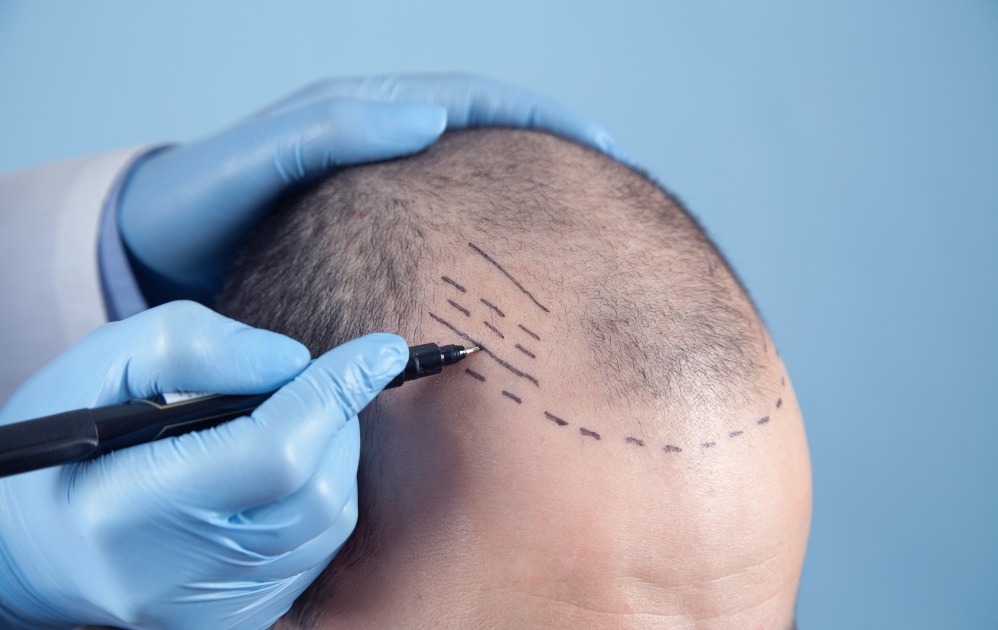
Evaluate the hairline, not just the graft number
A natural-looking hairline depends on factors such as:
- Facial proportions
- Age
- Existing hairline
- Hair direction and angle
- Density distribution
- Available donor supply
- Expected future hair loss
Trying to recreate an unusually low teenage hairline may not always be appropriate for an adult whose hair loss could continue.
Know what recovery involves
Hair transplantation involves a healing period. Patients should receive information about scalp care, temporary crusting or swelling, activity restrictions, follow-up, and the expected growth timeline.
Transplanted hair does not normally produce its final cosmetic appearance immediately. Growth develops progressively, and individual outcomes vary.
At The Celebface Clinic, patients considering transplantation in Pune, Maharashtra, can be assessed for hair-loss pattern, donor availability, scalp condition, and realistic surgical goals before planning the procedure.
Choosing a clinic should ultimately come down to diagnosis, medical oversight, donor conservation, surgical planning, transparent communication, and realistic expectations. A transplant affects a limited donor resource and should be planned with the future appearance of the scalp in mind, not simply the number of grafts that can be implanted in one session.
Keywords