
A small hump, uneven contour or low bridge can make your nose look less balanced, but adding filler is not the same as making the nose smaller. You will be able to distinguish suitable minor concerns from surgical problems, understand how the procedure is performed, compare filler options and recognise complications that need urgent care.
Key takeaways
- Filler can camouflage a small bridge bump but cannot make the nose smaller.
- Surgery changes nasal structure; liquid rhinoplasty changes appearance temporarily.
- Seek urgent care for vision changes, severe pain, or pale or dusky skin.
- Choose a licensed injector with an emergency plan and documented consent.
What happens during non-surgical nose reshaping?
1. The consultation begins with a facial assessment of your nose and surrounding features. The clinician examines the front view, side view, three-quarter view and base view, then checks facial proportions, nasal-base width and asymmetry.
2. An airway assessment follows. Tell the clinician about breathing difficulty, previous trauma, rhinoplasty, earlier filler, allergies, medicines and any active skin infection. Profile photographs alone cannot show airway symptoms, nasal-base width or asymmetry from other angles, so an in-person examination matters.
3. After discussing the intended change and its limits, the clinician performs marking. They identify entry points and placement areas, complete skin preparation with cleansing and antiseptic solution, and select an injection technique using a needle or cannula.
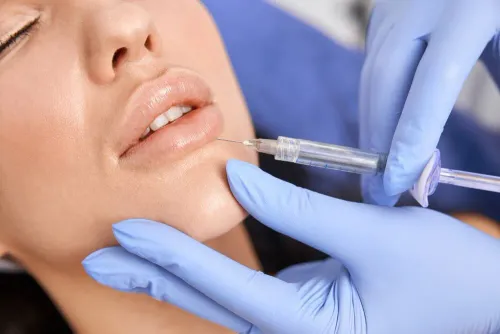
4. During product placement, the clinician injects small amounts of filler into selected areas. The product builds or camouflages a contour rather than removing tissue, so it cannot shrink the nose or remove a structural hump. The clinician pauses to assess symmetry and response as treatment progresses.
5. Observation after treatment includes checking the nose for colour change, pain and swelling before you leave. Your aftercare instructions cover touching the area, exercise, heat, makeup, sleeping position and follow-up. Redness, tenderness, bruising, swelling and temporary asymmetry can make the result look uneven at first; severe or progressive symptoms need urgent clinical assessment.
Which minor nose concerns can filler improve?
Filler can improve minor contour concerns by adding volume where it creates a straighter or more balanced appearance. It does not remove tissue or change the underlying bone and cartilage.
Suitable examples include:
- Small dorsal hump camouflage: placing filler above and below a small hump can make the bridge look smoother in profile.
- Low nasal bridge: adding volume can make the bridge appear more defined.
- Mild asymmetry or an irregular contour: careful placement can make uneven areas look more balanced.
- Drooping tip: limited support can improve the appearance when soft-tissue anatomy, rather than a major structural problem, causes the droop.
The trade-off is important: adding volume can make the nose look straighter, but it cannot create a smaller nose. Filler cannot narrow the nasal bones or nostrils, remove a large hump, correct marked deviation or improve impaired breathing.
| Concern | What filler can do | When another assessment is needed |
|---|---|---|
| Small dorsal hump | Camouflage it by smoothing the profile | A large hump needs structural treatment |
| Low nasal bridge | Add definition through volume | Thin skin or altered anatomy requires careful assessment |
| Mild asymmetry | Balance a limited contour difference | Significant deviation or trauma-related deformity needs a facial plastic surgeon or otolaryngologist |
| Drooping tip | Provide limited support when soft-tissue anatomy is the main cause | Structural drooping or breathing problems may require surgery |
Thick or thin skin, previous trauma, rhinoplasty, scarring and existing asymmetry affect the result. A clinician must examine these factors in person before deciding that filler suits your concern.
How do liquid rhinoplasty, surgery and filler materials compare?
Liquid rhinoplasty suits a minor contour change; surgical rhinoplasty suits structural change. Compare what each option changes, how much downtime and recovery it demands, and whether future maintenance is part of the plan.
| Option | What it changes | Downtime, recovery and maintenance |
|---|---|---|
| Liquid rhinoplasty | Adds volume with a temporary hyaluronic-acid filler to camouflage a small hump or mild irregularity; it cannot reduce size or narrow bone | Little scheduled downtime, but swelling and bruising can alter appearance for days; maintenance injections replace a lifelong result |
| Longer-lasting filler | Adds volume for longer, but product choice, metabolism, movement, anatomy and injected volume affect durability | Fewer top-ups, but lower reversibility; delayed nodules, inflammation, infection, migration or contour problems can require surgery |
| Surgical rhinoplasty | Removes or reshapes tissue and changes bone, cartilage or structure; it can reduce size, address a large hump or improve structural problems | Greater downtime, planning and recovery, but less reliance on routine maintenance |
Hyaluronic acid is often chosen because hyaluronidase can dissolve it after overcorrection, an unwanted result or suspected vascular compromise. Dissolution cannot guarantee reversal of tissue injury or restore vision after an arterial event.
Permanent materials reduce maintenance but are harder or impossible to remove. Ask for the exact product name, confirm whether it is hyaluronic acid, and ask whether nasal use is an off-label use in your jurisdiction. Filler is the wrong choice for breathing obstruction, marked deviation or a major traumatic deformity.
What risks require urgent action after a nasal filler injection?
The nose is a high-risk injection area because its arteries connect with vessels supplying the eye. If filler enters an artery, it can cause vascular occlusion, tissue death, stroke or vision loss, including blindness.
Swelling, bruising, tenderness, redness, lumps and temporary asymmetry are common early effects. Increasing or severe pain, however, is not something to monitor casually. Contact the injector immediately or seek emergency evaluation if you notice:
- Blanching, mottled skin or dusky discoloration near the injection site
- Cool skin or delayed capillary refill compared with the other side
- Severe or increasing pain, especially pain that seems disproportionate
- Sudden visual changes, blurred vision, eye pain, a missing area in your visual field or any vision loss; these require immediate emergency referral
Do not wait for a routine review, see whether symptoms improve or rely on a home remedy. Delay can increase the chance of skin injury and permanent tissue loss.
Weeks or months later, new lumps, swelling or tenderness can indicate delayed inflammatory nodules, infection, migration or persistent contour irregularity rather than leftover swelling. Arrange prompt clinical assessment instead of repeatedly adding filler.
Hyaluronidase may form part of emergency treatment when the product is hyaluronic acid, but it does not make nasal injections risk-free or guarantee recovery from an arterial event.
How should you decide whether a provider and treatment plan are safe?
A safe plan starts with the injector, not the filler brand. Verify medical credentials, injector training and experience with high-risk areas, including the nose.
Ask these questions before booking:
- What is the exact product, and is it hyaluronic acid?
- Is nasal use on-label or off-label in this jurisdiction?
- What is your emergency protocol for vascular occlusion and sudden visual loss?
- Are reversal supplies, emergency medicines, monitoring and referral pathways immediately available?
- Who provides urgent care if vision becomes blurred, painful or suddenly reduced?
| Finding | Appropriate next step | Why it matters |
|---|---|---|
| Small contour concern with normal breathing | In-person filler assessment | Filler adds volume but does not reduce tissue |
| Breathing symptoms, major deviation or large hump | Referral to a qualified facial plastic surgeon or otolaryngologist | The airway, bone or cartilage needs assessment |
| Need to reduce nasal size | Surgical consultation | Filler cannot shrink the nose |
Give a complete history of prior rhinoplasty, nasal trauma, scarring, filler injections, allergies, medications, skin disease and breathing symptoms. Postpone treatment over an active skin infection.
The provider must examine you in person, not approve treatment from a photograph. In Pune, a consultation at The Celebface Clinic is useful only when it includes documented consent, realistic limits, clear product discussion and an emergency plan rather than a profile photograph and quick-change promise.
Frequently asked questions
What happens during non-surgical nose reshaping?
The clinician assesses the nose from front, side, three-quarter and base views, checks facial proportions and asymmetry, then discusses whether filler suits your concern. If treatment proceeds, small amounts of filler are placed at selected points to alter visible contours.
Which minor nose concerns can filler improve?
Nasal filler can camouflage a small dorsal bump, smooth a shallow depression, improve minor contour irregularity and create a straighter-looking profile. It adds volume, so it cannot reduce nose size or correct major structural problems.
How do liquid rhinoplasty, surgery and filler materials compare?
Liquid rhinoplasty uses injectable filler to create a temporary visual change without removing bone or cartilage. Surgical rhinoplasty changes nasal structure and offers broader, longer-lasting correction. Filler materials differ in composition, duration, reversibility and risk, so ask which product is proposed and why.
What risks require urgent action after a nasal filler injection?
Seek urgent medical care for sudden vision changes, severe or escalating pain, pale or dusky skin, unusual mottling, increasing swelling, weakness or trouble speaking. These symptoms can indicate a serious vascular complication.
How should you decide whether a provider and treatment plan are safe?
Choose a qualified, licensed medical professional who explains alternatives, product name, expected duration, risks and aftercare. Confirm the clinic has an emergency protocol, access to appropriate treatment for vascular complications and a clear follow-up plan.