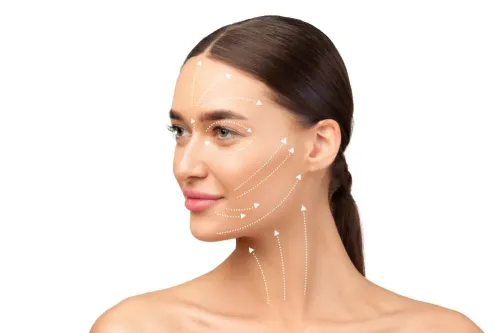
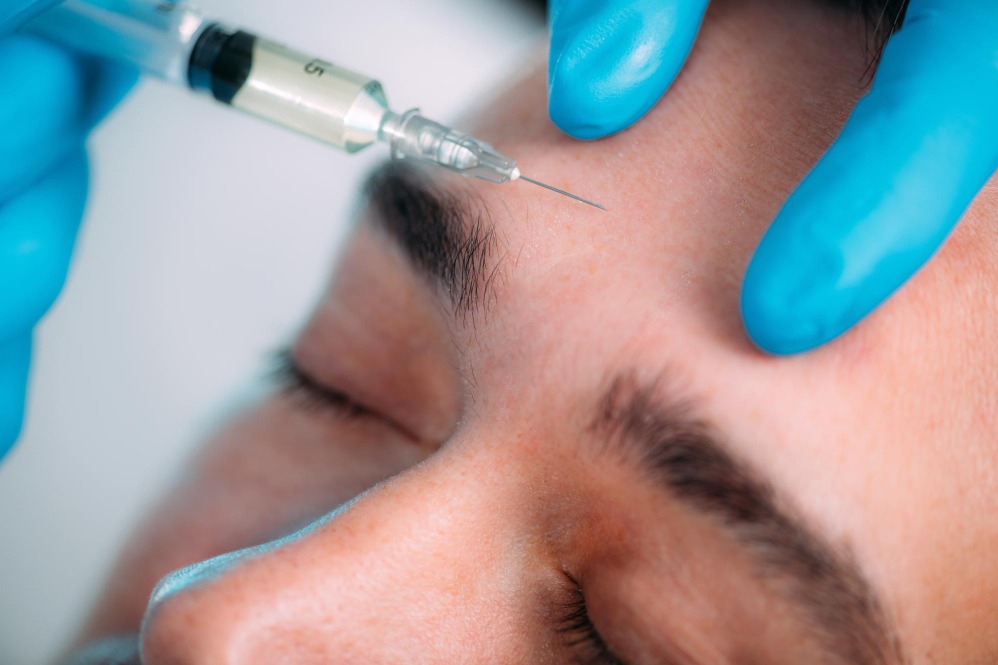
Lines around the forehead and eyes can become more noticeable because the underlying facial muscles repeatedly contract when we smile, frown, squint, or raise the eyebrows. Initially, these lines may appear mainly during expression. Over time, some can remain visible even when the face is relaxed.
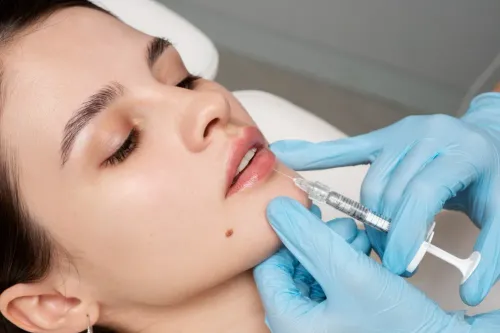
Botulinum Toxins are injectable medicines used in aesthetic practice to temporarily reduce activity in selected muscles. They are commonly discussed for dynamic facial lines, but appropriate placement and dosing are essential to maintaining balanced facial movement.
Which lines may respond?
A clinician may assess botulinum toxin treatment for areas such as:
- Frown lines between the eyebrows
- Horizontal forehead lines
- Lines around the outer eyes
- Other selected concerns related to muscle activity
Not every wrinkle is caused primarily by muscle movement.
Lines related to skin laxity, sun damage, volume loss, or deeper structural ageing may respond differently. This is why choosing injections based solely on where a line appears can lead to unrealistic expectations.
Botulinum toxin and filler are different
These two injectable treatments are often confused.
Botulinum toxin works by reducing selected muscle activity temporarily. Dermal filler adds or restores volume. A person with expression-related forehead lines may therefore require a very different approach from someone concerned about flattened cheeks or facial volume loss.
In some treatment plans they may both be considered, but they are not substitutes for each other.
What creates a natural-looking result?
The goal does not always need to be a completely motionless forehead. Many patients prefer softening of selected expression lines while retaining normal facial character.
This depends on factors including muscle strength, facial anatomy, dose, injection placement, eyebrow position, and previous treatment history.
Before undergoing treatment in Pune, ask how the proposed approach relates to your own muscle movement rather than requesting a fixed number of injections based on someone else's experience.
What should be discussed at consultation?
Tell the clinician about your medical history, medicines, previous injectable procedures, and any previous unwanted effects. The consultation should cover expected onset, approximate duration, aftercare, possible side effects, and circumstances in which treatment may not be suitable.
At The Celebface Clinic, facial movement can be assessed while the patient is both resting and making expressions before an injection plan is considered.
For patients across Pune and Maharashtra, the most useful approach is to treat botulinum toxin as a medical aesthetic procedure rather than a routine beauty service. Understanding what is causing the line, how facial muscles interact, and what degree of movement you want to retain makes treatment planning more individualised.
Keywords